Introduction: The IoT Connectivity Challenge
As the Industrial Revolution 4.0 unfolds, the Internet of Things (IoT) is reshaping industries at an impressive pace. However, traditional communication technologies like Wi-Fi, Bluetooth, and cellular networks (4G/5G) often fall short in critical areas such as coverage range, power consumption, and cost-efficiency. Wi-Fi typically covers only 50-100 meters, Bluetooth devices may require frequent battery replacements, and 4G modules incur substantial annual operating expenses.
It is in this context that LoRa (Long Range) technology emerges as a transformative force within the Low-Power Wide-Area Network (LPWAN) landscape, offering a compelling balance of performance and economy.
Core Advantages of LoRa Technology
1. Ultra-Low Power Consumption for Extended Device Lifespan
LoRa utilizes spread spectrum modulation to achieve exceptional receiver sensitivity (down to -148dBm), while its duty-cycled operation allows battery-powered devices to function for 5-10 years (e.g., sensors transmitting data once daily). This dramatically reduces maintenance costs and downtime. For instance, agricultural monitoring projects have reported up to 70% savings in maintenance expenses.
2. Wide-Area Coverage Overcoming Distance Barriers
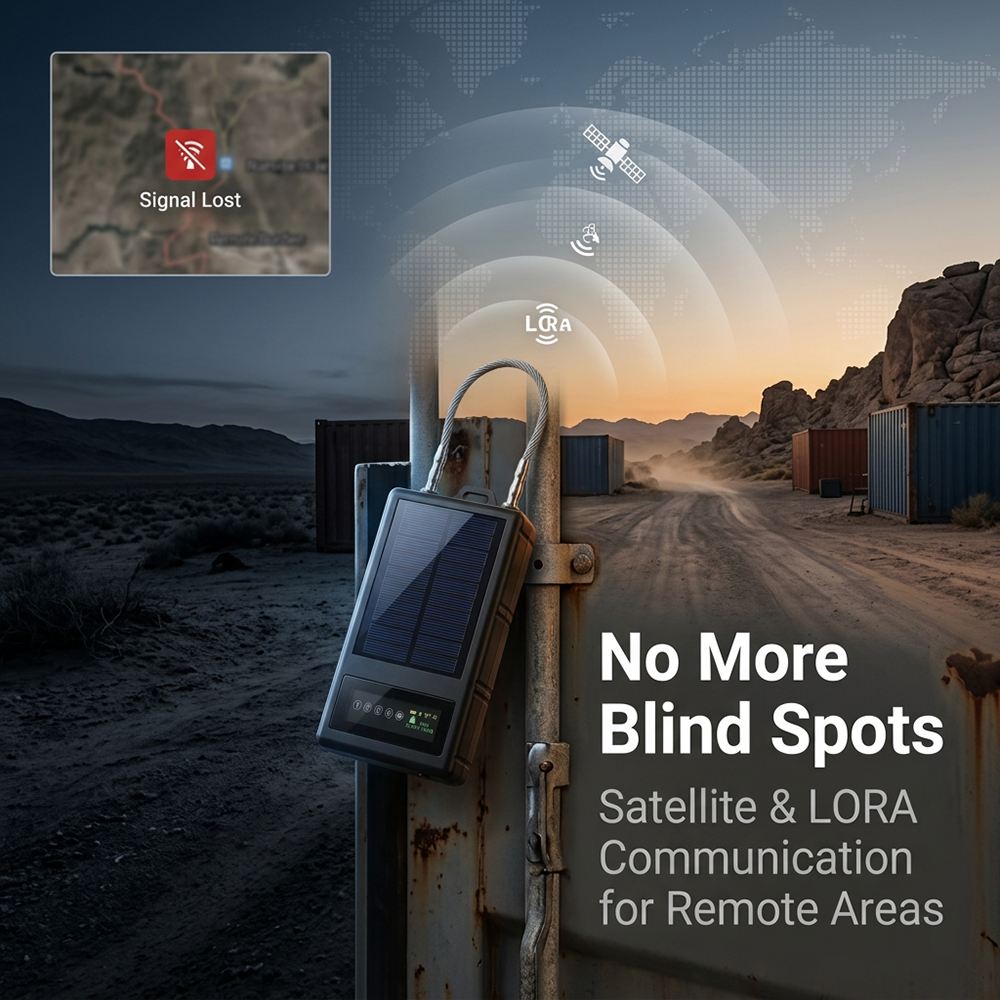
LoRa enables remarkable range: up to 15 kilometers in open areas and 2-5 kilometers in urban environments. This long reach is made possible by features like adjustable spreading factors (SF7-SF12), narrow channel bandwidths for better interference immunity, and forward error correction for data reliability. A single gateway can cover a 10-square-kilometer smart city zone with over 98% data packet delivery rate.
3. Cost-Effective Deployment
LoRa significantly lowers the barrier to entry. Modules are priced between $5-$10, and gateways range from $200-$500. Crucially, it operates in free, unlicensed frequency bands (e.g., 470-510MHz in China), eliminating recurring data fees. Industrial case studies show that replacing 4G with LoRa can reduce total cost of ownership by over 60% over three years.
4. Robust Security
LoRa offers a multi-layered security framework, including hardware-level AES-128 encryption, network-layer authentication, and application-layer data signing. This formidable defense makes LoRa networks considerably less susceptible to attacks compared to conventional cellular networks.
5. Flexible Private Network Deployment
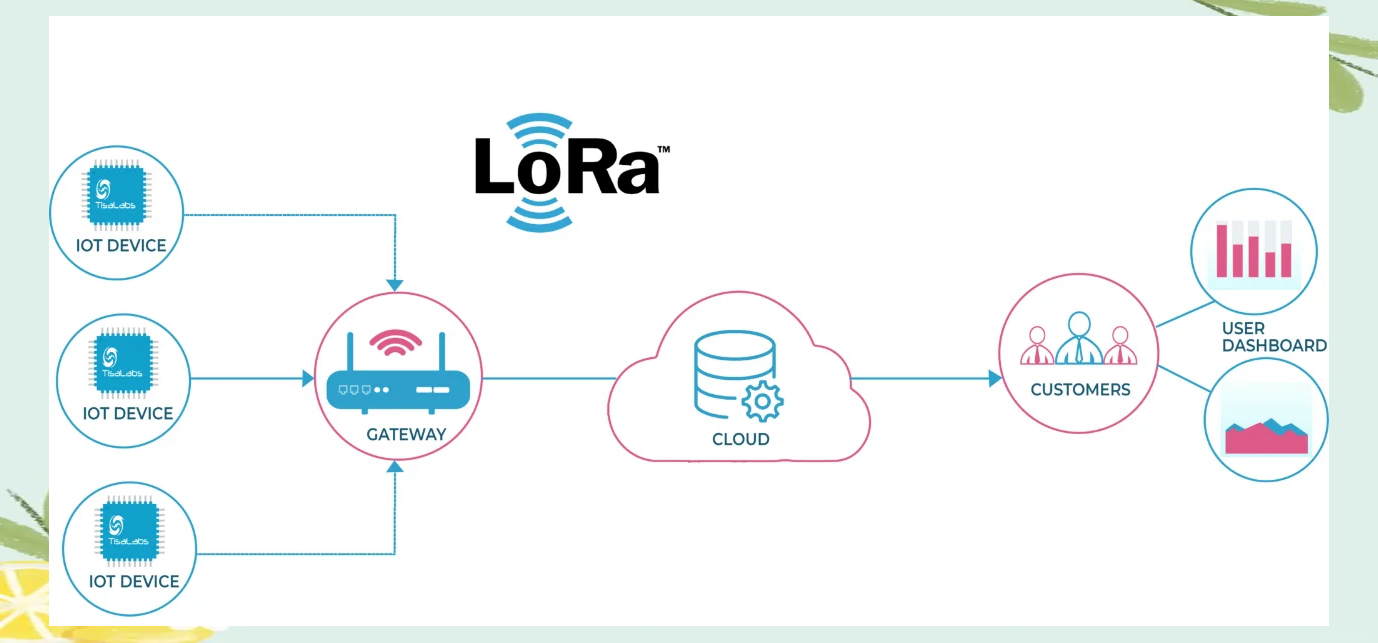
LoRa supports both public networks (e.g., The Things Network) and private, enterprise-controlled networks. For businesses with strict latency or data sovereignty requirements, deploying a private LoRa network—using gateways like the RAK7249—can reduce transmission latency from seconds to milliseconds.
Key Application Scenarios
Smart Agriculture
At farms, LoRa-enabled soil moisture sensors transmit data every few minutes. This data, when processed by cloud-based irrigation models, can optimize water usage, achieving savings of up to 40%.
Industrial Monitoring
Manufacturers leverage LoRa vibration sensors for predictive maintenance. By analyzing vibration spectra, the system can forecast bearing failures weeks in advance, reducing unplanned downtime by as much as 65%.
Smart Cities
For urban environmental monitoring, LoRa-based stations offer substantial cost advantages over traditional equipment, enabling more frequent and dense data collection for better air quality management.
Implementation Guidelines for Success
Frequency Band: Adhere to local regulations (e.g., 470-510 MHz in China) to avoid interference.
Gateway Planning: Use a hexagonal cell layout, with gateway spacing at approximately 70% of the theoretical coverage radius.
Data Protocol: Prioritize the standard LoRaWAN protocol to ensure interoperability among devices from different manufacturers.
Antenna Optimization: Install vertical polarization antennas at a height of at least 3 meters above surrounding obstacles for optimal performance.
Future Outlook
With the advent of LoRa 2.0, data rates are expected to reach 500 kbps, incorporating Frequency Hopping Spread Spectrum (FHSS) for enhanced robustness. Industry analysts project that LoRa will capture a significant portion of the LPWAN market by 2026, with expanding roles in smart buildings and asset tracking.
Conclusion
By masterfully balancing power efficiency, coverage, cost, and security, LoRa provides an ideal connectivity solution for a vast array of IoT applications. For developers and enterprises alike, integrating LoRa capabilities—whether through Arduino modules or custom networks—can unlock substantial operational efficiencies and competitive advantages. In scenarios where 5G is not yet fully realized, LoRa stands out as the most pragmatic and powerful choice for driving IoT innovation.